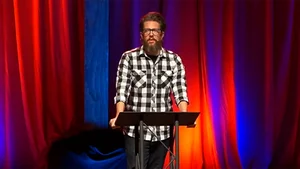
When Heaven Touches Earth: The Power of True Faith
To watch the sermon: Jesus is Yahweh (Matthew 15: 29–31 Explained)
Download the Discussion Guide: Download
Download the 5 Day Devotional : Download
In Matthew 15:29-31, we witness a powerful scene where Jesus climbs a mountain, sits down, and welcomes all who need healing. This passage reveals profound truths about authentic faith, the heart of God, and what it means to truly follow Christ.
The Problem with Counterfeit Holiness
Throughout recent chapters, Jesus has been confronting what Scripture calls "counterfeit holiness" - a religious appearance that focuses entirely on external behavior while the heart remains far from God. This type of faith judges righteousness by what can be seen rather than by genuine heart transformation.
Many believers today still struggle with this same issue. We can become caught up in debates about external appearances - tattoos, clothing, church attendance - while neglecting the deeper work of heart transformation that God desires. The truth is, it's easier to modify behavior than to surrender your heart completely to God.
What Does Real Transformation Look Like?
One of the most important questions any believer can ask is: "Do I look, think, and act the same way today as I did before Jesus became my Lord and Savior?" If the answer is yes, there may be a problem with the authenticity of that relationship.
Real transformation doesn't require perfection overnight, but it does require progress daily. God isn't looking for perfection - He's looking for pursuit. When the Holy Spirit dwells within you, He will find those hidden areas of your heart that need transformation, areas that no one else can see.
The Significance of Mountains in Scripture
When Matthew tells us that Jesus "climbed a hill and sat down," this detail carries deep significance. Throughout Scripture, mountains were meeting places where heaven and earth collided:
Mount Sinai: Where God appeared to Moses in the burning bush and gave the commandments
Mount Moriah: Where Abraham prepared to sacrifice Isaac and where Solomon built the temple
Mount Carmel: Where Elijah confronted the prophets of Baal
Mount Nebo: Where Moses viewed the Promised Land
These mountains were places where God revealed Himself, established covenants, and displayed His glory.
A Different Kind of Mountain Experience
But Jesus' mountain experience was radically different. Instead of calling just one person up like in Old Testament times, Jesus welcomed everyone who wanted to come. The lame, blind, crippled, and broken were all invited - not just the religious elite.
This was prophetic imagery showing that the kingdom of heaven doesn't require a "Members Only" jacket. The invitation is for all people; you just have to accept it.
The Heart of God Revealed
While other cultures were throwing people into volcanoes to appease angry gods, the holiest God of all sits down in peace and heals. Jesus reveals the heart of Yahweh - a God who comes near, heals, and restores rather than demanding appeasement.
When people brought the sick and laid them before Jesus, Scripture tells us "he healed them all." The blind saw, the lame walked, the mute spoke, and the crippled were restored. This demonstrates God's heart for complete restoration and abundant life.
The Danger of Being Easily Amazed
The crowd's response was amazement, but this creates an important tension. People can easily be amazed by power and never surrender to the King behind the power. The same Greek word for "amazed" used here appears in Revelation 17, where the world is amazed by the beast.
This should sober us. We can be fickle and easily impressed, sometimes unable to distinguish between the power of God and counterfeit power. Many people want Jesus the healer but won't accept the King behind the healing.
Who Gets the Glory?
When breakthroughs come in your life, who do you praise? When provision appears unexpectedly, who do you thank? When life turns around, who gets the credit?
Miracles were never meant to glorify man - they point back to the power of God. Every healing, breakthrough, and answered prayer should direct our praise toward Him, not ourselves or others.
The God of Israel
The passage concludes with the crowd praising "the God of Israel." This is significant because not everyone present was Jewish, yet they all recognized and praised the one true God. The question for us is: Do we praise the God of Israel for what's happening in our lives?
Too often we find ourselves frustrated that God isn't moving the way we want Him to, rather than praising Him for who He is and what He has already done.
Life Application
The Kingdom heart isn't about appeasing God with your actions - it's about surrendering your entire life to God. This week, examine your relationship with Jesus honestly. Are you treating Him like an UberEats driver, only calling when you need something? Or do you have an ongoing, daily relationship with Him?
Before asking God for miracles, start by simply talking to Him: "Jesus, I haven't talked to you in a while, but I've missed you. Have you missed me?" Build the relationship first, then watch how He moves in your life.
Questions for Reflection:
Do I look, think, and act differently than I did before accepting Jesus as my Lord and Savior?
When good things happen in my life, who gets the glory - God or someone/something else?
Am I pursuing an ongoing relationship with Jesus, or do I only call on Him when I need something?
What areas of my heart still need transformation, and am I willing to surrender them to God?
Frequently Asked Questions About Matthew 15:29-31 and Authentic Faith
What is the main message of Matthew 15:29-31?
Matthew 15:29-31 reveals the heart of Jesus toward broken and hurting people. In this passage, Jesus heals the lame, blind, mute, and crippled while demonstrating that the Kingdom of God is open to everyone—not just the religious elite. The passage also exposes the difference between authentic faith and counterfeit holiness.
What does “counterfeit holiness” mean?
Counterfeit holiness refers to outward religious behavior without true heart transformation. It focuses on appearances, traditions, and external actions while neglecting genuine surrender to God. Jesus repeatedly confronted this mindset throughout the Gospels because God desires transformed hearts, not performative religion.
How can I know if my faith is truly changing me?
A transformed life should show spiritual growth over time. Ask yourself:
Do I think differently than before following Jesus?
Am I becoming more loving, humble, and obedient?
Is the Holy Spirit convicting and changing hidden areas of my heart?
True Christianity is not about perfection overnight—it’s about daily transformation and pursuing Jesus consistently.
Why are mountains significant in the Bible?
Mountains in Scripture often represent places where God reveals Himself and where heaven and earth intersect. Important biblical mountains include:
Mount Sinai — where Moses received the commandments
Mount Moriah — where Abraham prepared to sacrifice Isaac
Mount Carmel — where Elijah confronted the prophets of Baal
Mount Nebo — where Moses viewed the Promised Land
In Matthew 15, Jesus climbing a mountain symbolizes God once again revealing Himself to humanity.
What makes Jesus’ mountain ministry different from the Old Testament?
In the Old Testament, mountains were often reserved for prophets, priests, or chosen leaders. But Jesus invited everyone—the sick, broken, rejected, and hurting—to come near. This demonstrates that the Kingdom of Heaven is available to all who will receive Him by faith.
Why did the crowd praise “the God of Israel”?
The crowd praised “the God of Israel” because Jesus’ miracles revealed the power and compassion of the one true God. Even Gentiles witnessing the miracles recognized that the God of Israel was real, active, and worthy of worship.
What does this passage teach about healing and miracles?
Matthew 15:29-31 teaches that Jesus cares deeply about restoration—physically, spiritually, and emotionally. His miracles reveal God’s compassion and authority. However, miracles are not meant to glorify people; they are meant to point back to God and lead people into relationship with Him.
Can people be amazed by Jesus but still not truly follow Him?
Yes. Scripture warns that people can admire miracles and still reject true surrender to Christ. Many people want Jesus as a healer, provider, or rescuer but resist submitting to Him as Lord and King. Genuine discipleship requires more than amazement—it requires surrender.
What does it mean to give God the glory?
Giving God the glory means recognizing Him as the source of every blessing, breakthrough, healing, and answered prayer in your life. Instead of taking credit ourselves, believers are called to praise God for His goodness, faithfulness, and power.
How can I build a deeper relationship with Jesus?
Building a relationship with Jesus begins with consistent communication, prayer, worship, reading Scripture, and surrendering your heart daily. God is not looking for occasional religious activity—He desires genuine relationship and intimacy with His people.
What are practical application questions from Matthew 15:29-31?
This passage challenges believers to reflect honestly on their faith:
Am I truly being transformed by Jesus?
Do I seek God only when I need something?
Who gets the glory for the blessings in my life?
What areas of my heart still need surrender and healing?