

Who Is the Son of Man? What Jesus Revealed About His Death, Identity, and Kingdom
Jesus predicted His own death three times. He called Himself the Son of Man more than 80 times. Every detail of what happened to Him was written centuries before it occurred. His kingdom is eternal and will never be destroyed. So here is the real question: if His kingdom truly cannot be shaken, what are you still anxious about today?
Passover and Yom Kippur: God's Love and Our Need for Cleansing
Passover gets you out of Egypt. But what gets Egypt out of you? God does not just want to rescue you from something. He wants to dwell within you. There is a difference between being delivered and being transformed, and it changes everything about how we understand what Jesus actually came to do.

Modesty and the Bible
Biblical modesty is far bigger than a dress code, and it was never a command aimed only at women. From Micah’s call for humanity to “walk humbly” with God to Paul’s emphasis on self-control, restraint, and avoiding displays of wealth and status, Scripture consistently moves the conversation from fabric to the heart. Jesus confronts the same issue when He warns against praying, fasting, and giving simply to be seen by others. Biblical modesty asks more than “How much of my body can people see?” It asks, “Why do I need people to see me at all?” You can cover your body while advertising your wealth, spirituality, success, influence, or accomplishments. Ultimately, modesty is humility lived outwardly: dressing modestly, spending modestly, speaking modestly, leading modestly, and carrying success modestly—not because the human body is shameful, but because a follower of Jesus should increasingly desire Christ to be the center of attention instead of themselves.

Paul and Head Coverings What the Bible Actually Says.
First Corinthians 11 is not simply a command about what women should wear—it is a pastoral correction to both men and women about what their worship communicates. In Roman Corinth, head coverings, hairstyles, and uncovered heads could carry powerful messages about religion, marriage, sexuality, status, honor, and identity; remarkably, Paul actually addresses men first, telling them not to worship with their heads covered, potentially confronting a recognizable Roman religious practice, while also addressing women who were openly praying and prophesying in the church.
Wealth, Salvation and the Kingdom of God
What are you holding onto that might be holding you back from fully following Jesus? The rich young ruler had done everything right by religious standards, and it still was not enough. Not because he lacked effort, but because something else had taken the place in his heart that only God deserves. Anything you cannot surrender to Jesus is already competing with Him. The invitation to follow Him is still open. The only question is whether you are willing to let go.
Eternal Life
What if the question is not what else you need to do, but who you have been overlooking? Jesus was asked about eternal life and His answer had nothing to do with a checklist. It had everything to do with the only One who is truly good, and the neighbors we keep walking past. Are you pursuing a relationship with God, or just a list of rules that makes you feel righteous?

What Jesus Really Said About Marriage, Children, and Worship
What if spiritual maturity is not about learning to control your worship, but becoming free enough that you do not have to? Jesus welcomed children without checking their status, their title, or what they could contribute. He simply said come. That same invitation is still open. Are you showing up, or are you still waiting until you feel ready?

What Jesus Really Said About Marriage and Divorce
What if the real problem in your marriage is not your spouse? Jesus was asked when divorce is allowed, and He answered with a question that cuts much deeper: why is your heart already looking for permission to stop loving? Before you search for an exit, let Jesus examine what is inside you first.
The Powers of Heaven and the Return of Christ: Understanding Mark 13:24–27, Isaiah 14, and the Cosmic War
Mark 13:24–27 describes cosmic signs, the shaking of the powers of heaven, the coming of the Son of Man, and the gathering of God’s elect, raising important questions about the physical and spiritual dimensions of Jesus’ prophecy. By comparing Jesus’ words with Isaiah 14 and related passages concerning Babylon, spiritual rulers, cosmic warfare, and the gathering of the righteous and wicked, this study explores how Christ’s return represents both deliverance for his people and judgment upon his enemies.

What Matthew 18 Teaches Us About Mercy
You cannot carry the cross that freed you from your debt in one hand and someone else's throat in the other. Peter thought forgiving seven times was generous. Jesus said to stop counting altogether. What does that actually look like when the wound is real and the apology never came? Matthew 18 has something to say about that.
The Abomination of Desolation and False Christs: Understand Mark 13:14–23
Mark 13:14–23 examines Jesus’ warning about the abomination of desolation, the destruction of Jerusalem, the great tribulation, and the rise of false christs and false prophets. While the prophecy has important connections to the destruction of the Temple in AD 70, this study argues that Jesus’ language also points toward a future end-times fulfillment and calls Christians to reject deception, avoid prophetic date-setting, remain spiritually discerning, and place their hope in Jesus Christ.

What Matthew 18 Actually Teaches About Conflict and Restoration
What if everything you thought you knew about Matthew 18 was missing the point? Jesus did not give us a process for removing people. He gave us a process for winning them back. How many relationships in your life are waiting for someone to take the first step?
Mark 13:9–13 Explained: The Gospel to All Nations, Christian Persecution, and Enduring to the End
Mark 13:9–13 reveals Jesus’ warning that His followers will face persecution, betrayal, and hatred while the gospel is proclaimed to all nations before His ultimate return. This study explores the historical fulfillment surrounding the destruction of the Temple in AD 70, the ongoing “already and not yet” nature of prophecy, and Christ’s call for believers to faithfully endure suffering while advancing the Great Commission.

Who Is the Greatest in the Kingdom of Heaven?
Jesus was asked who the greatest person in the kingdom of heaven would be. He did not point to the one who walked on water. He pointed to a child. What if everything you have been taught about greatness is backwards? The quickest way up in the kingdom of God is to go down. Your calling is too holy to be fueled by your ego.
Mark 13:5–8 Explained: False Messiahs, Wars, Earthquakes, and the Meaning of the Birth Pains
Jesus warns His disciples that false messiahs, wars, earthquakes, and famines are not signs to panic but “the beginning of the birth pains” leading toward God’s redemptive purposes. By understanding the historical context of the destruction of the Jerusalem temple and the broader biblical theme of eschatology, believers are encouraged to reject fear, avoid deception, and place their hope firmly in Christ.
Faith Like a Mustard Seed: What Jesus Really Meant About Genuine Faith
What if the problem is not that your faith is too small, but that it is not quite real? Jesus told His closest disciples they were faithless, not strangers, not enemies, but the people who had walked with Him every day. Then He pointed to a mustard seed and said that was all it takes. Not perfect faith. Not figured-out faith. Just genuine faith. Are the people around you seeing visible faith or visible frustration from your life?
Mark 13:1–4 Explained: Why Jesus Predicted the Temple’s Destruction and What It Means for the End Times
In Mark 13:1–4, Jesus predicts the destruction of Jerusalem’s temple, revealing both the certainty of God’s judgment and the beginning of the events that would shape the biblical understanding of the end times. This study explores fulfilled prophecy, the significance of the Mount of Olives, Jesus as the true temple, and the enduring call for believers to live with humility, faith, and unwavering devotion to Christ.
The Widow’s Offering Explained: What Mark 12:41–44 Teaches About True Giving, Faith, and the Heart
Jesus praises a poor widow who gives two small coins, teaching that God values sacrificial faith and wholehearted devotion far more than impressive financial gifts. Mark 12:41–44 challenges believers to offer their entire lives to God, remain faithful in small things, and care for the poor with genuine compassion.
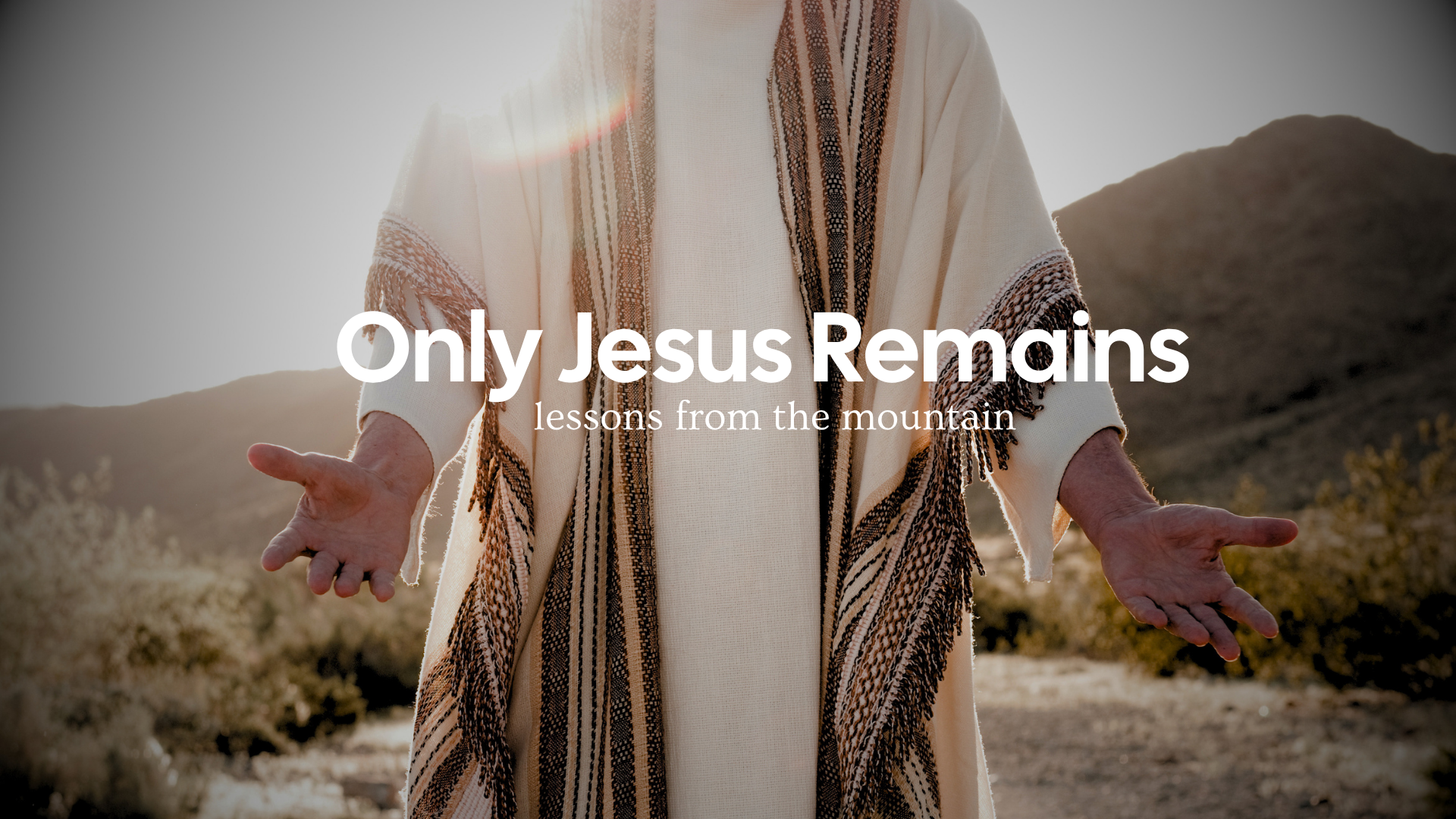
Only Jesus Remains: Lessons from the Transfiguration
Moses disappeared. Elijah disappeared. Only Jesus remained. What does it look like when everything in your faith is stripped away? Is He enough? Explore one of the most powerful moments in all of Scripture and discover what it truly means to listen to Him.
Mark 12:35–40 Explained: Why David Calls the Messiah Lord and Jesus’ Warning Against Religious Hypocrisy
Jesus reveals that the Messiah is both David’s descendant and David’s Lord, demonstrating His divine identity while exposing the theological blindness of Israel’s religious leaders. He then warns against religious hypocrisy, calling believers to pursue humility, protect the vulnerable, and faithfully live out the greatest commandments of loving God and loving their neighbor.